Asphalt Sealcoating Loveland CO: What You Need to Know

Share this article

Sealcoating is the single most cost-effective thing you can do to extend the life of your asphalt. For property owners in Loveland and the surrounding Front Range communities, skipping it is a gamble that the local climate will almost certainly win.


Harris Asphalt Paving works with homeowners and commercial property managers who have seen firsthand what Northern Colorado winters can do to an unsealed driveway or parking lot. The damage is not gradual. It accelerates fast.

The Loveland Climate Is Genuinely Tough on Asphalt

Most people think of freeze-thaw damage as simple cracking. The reality is more destructive. When snowmelt seeps into tiny pores in your asphalt and the temperature drops overnight, that water expands by roughly 9 percent as it freezes. That pressure alone is enough to widen hairline cracks into noticeable gaps.


But there is a second threat most homeowners never hear about: cryosuction. This process draws moisture upward from deep, unfrozen soil beneath the pavement. As that rising water freezes, it forms ice lenses that physically push the surface upward. The result is frost heave. It causes buckling, alligator cracking, and eventually full pothole collapse by spring.


A hairline crack spotted in April can easily become a quarter-inch structural gap by mid-summer. Sealing the surface before that crack forms is far cheaper than repairing it afterward.

High-Altitude UV Radiation Makes It Worse

Loveland sits at an elevation where ultraviolet radiation hits pavement hard. UV rays break down the liquid asphalt binder, called bitumen, that holds the aggregate together. Over time, this oxidation causes the surface to fade to gray, lose its flexibility, and become brittle.


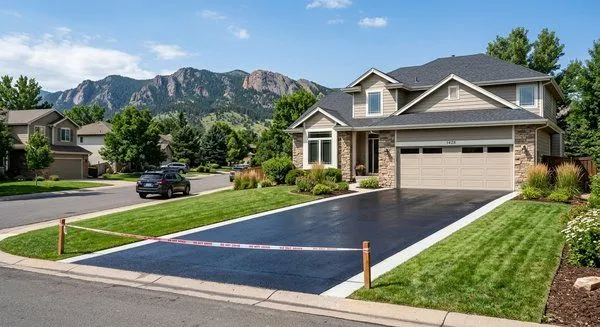
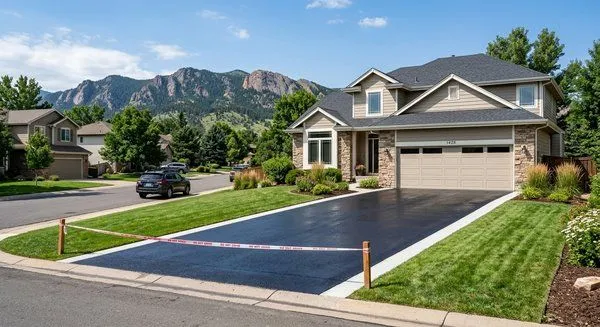
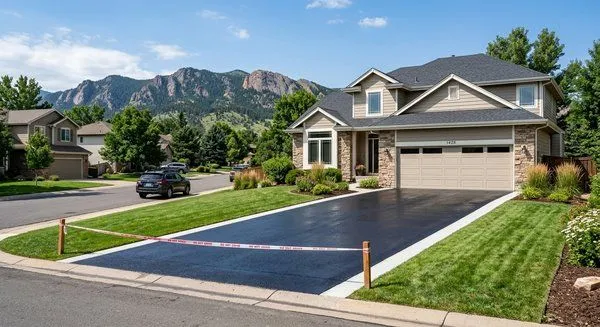
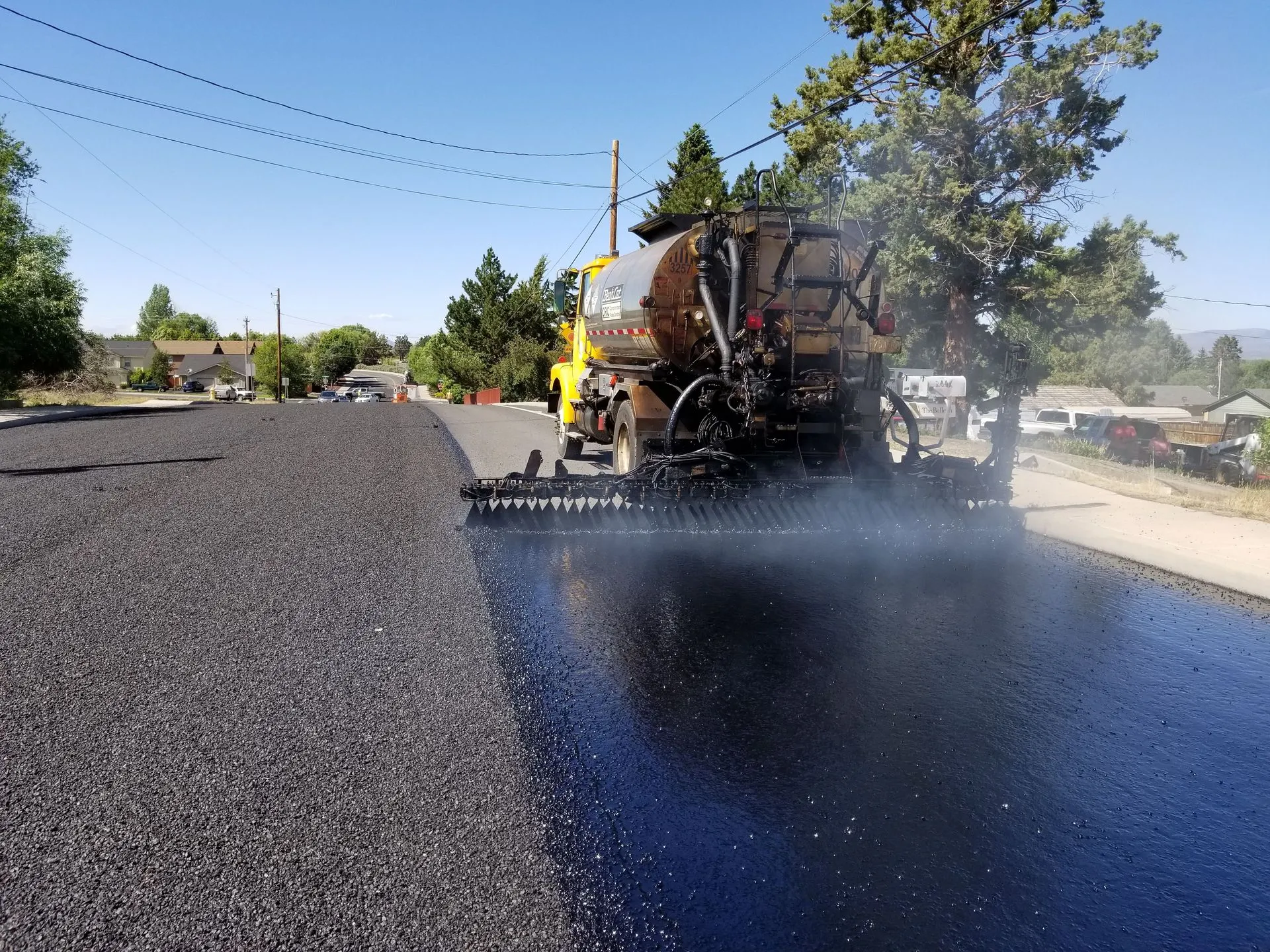
Think of asphalt sealcoating services as sunscreen for your pavement. A quality sealcoat locks in the essential oils within the asphalt and reflects UV rays before they penetrate. It also creates a waterproof barrier against snowmelt and rain. Without it, the Colorado sun does steady, invisible damage every single day.

How Often Should You Sealcoat in Northern Colorado?

The answer depends on whether the surface is residential or commercial.


For residential driveways: Industry experts in 2026 recommend sealcoating every two to four years under Colorado conditions. Following that schedule can effectively double the lifespan of your pavement.


For commercial parking lots: High-traffic surfaces face added stress from heavy vehicles, oil drips, and chemical spills. The recommended interval is every one to two years to protect the base layers from eroding.


One important timing note: sealcoating must be applied when both the air and pavement temperatures are at least 50 degrees Fahrenheit and rising. In the Loveland area, that typically means a window between May and September. Trying to seal outside that window leads to adhesion failures and wasted money.

Signs Your Asphalt Is Overdue for Sealcoating

Do not wait for major damage before acting.


Watch for these warning signs:

  • The surface has faded from black to gray or light brown
  • Small cracks are appearing at the edges or along the surface
  • You notice rough, crumbling texture near the center of the pavement
  • Water is pooling rather than sheeting off after rain
  • The pavement feels soft or spongy during warm afternoons


Any one of these signals means the protective layer is gone and the underlying structure is now exposed.

What a Professional Sealcoating Job Actually Involves

A proper sealcoating application is not just rolling on a dark liquid and calling it done. Done right, it requires preparation and attention to the specific conditions of your site.


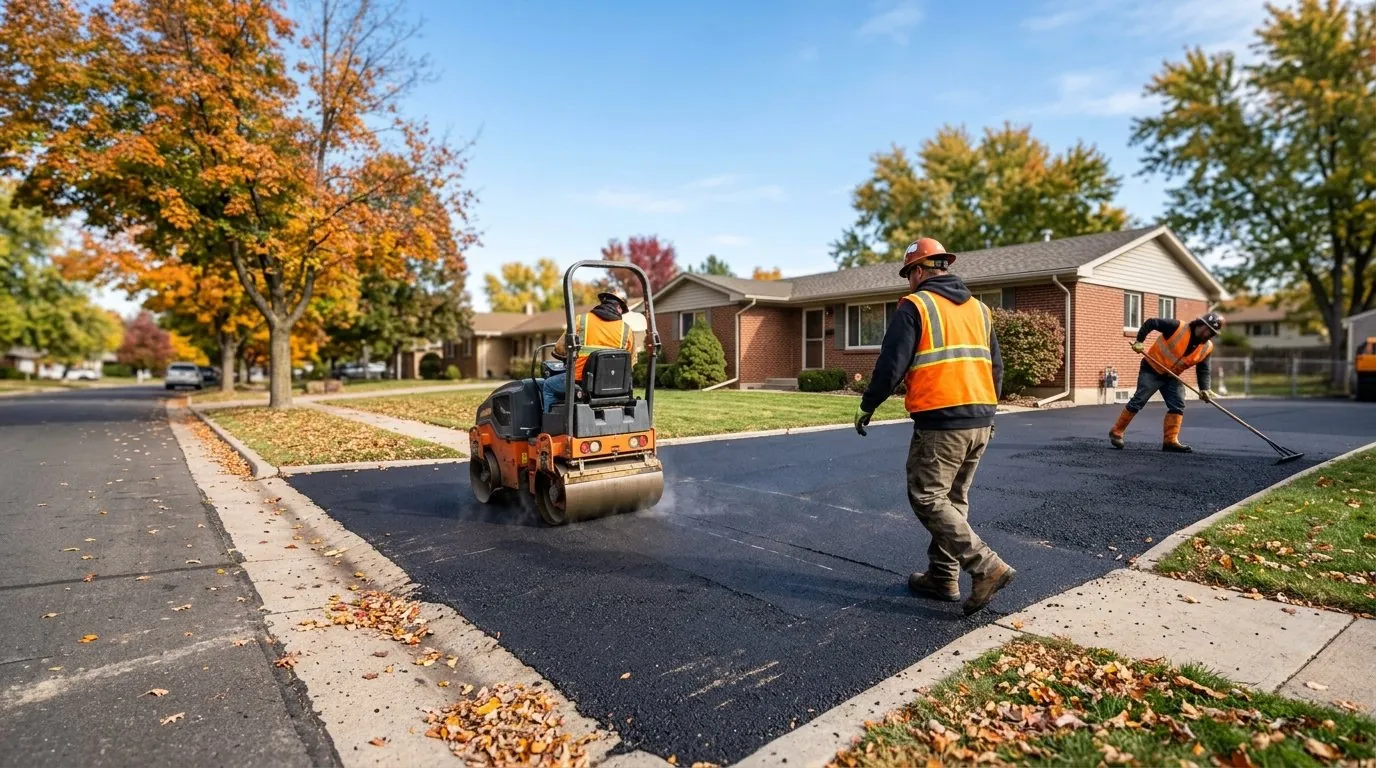
A qualified contractor will clean the surface thoroughly, removing debris, oil stains, and vegetation from cracks. Any existing cracks should be filled before the sealcoat is applied. The sealcoat material is then spread in even coats and allowed to cure fully. The surface must stay off-limits to traffic for an appropriate drying period.


Skipping the prep work is one of the most common mistakes made by low-bid contractors. A sealcoat applied over dirt, oil, or open cracks will peel and fail quickly, providing no real protection at all.

The Subgrade Factor: Why Local Soil Matters

Northern Colorado is known for expansive clay soils that shift seasonally. According to the Larimer County Urban Area Street Standards, structural pavement designs must account for these soil conditions with properly compacted subgrade layers and approved aggregate base courses.


This matters for sealcoating because a well-sealed surface on a poorly prepared base will still fail. Sealcoating protects what is already there. It cannot fix what was built wrong from the start. If your pavement is showing widespread cracking and sinkage rather than surface deterioration, the issue may be structural. A professional assessment will make that distinction clear.

Residential and Commercial Properties Both Benefit

Sealcoating applies equally to homeowners with private driveways and property managers overseeing large commercial lots. The investment scale differs, but the underlying principle is the same. Protecting the surface layer now avoids far more expensive repairs later.


Loveland-area property owners can also explore sustainable paving options. Contractors in 2026 are increasingly offering warm-mix asphalt and reclaimed asphalt pavement (RAP) options for new paving work. These approaches reduce energy use and cut material costs without sacrificing durability..

Frequently Asked Questions

  • How long does sealcoating last in Loveland's climate?

    With Loveland's UV intensity and freeze-thaw cycles, a residential sealcoat typically lasts two to four years before reapplication is recommended. High-traffic commercial surfaces may need resealing every one to two years.

  • Can I sealcoat my driveway myself?

    DIY sealcoating products are available, but they lack the durability of professional-grade materials. More importantly, proper prep work (crack filling, degreasing, surface repair) is difficult to do correctly without experience and equipment.

  • Is sealcoating worth it for an older driveway?

    Yes, provided the pavement is still structurally sound. Sealcoating an older surface slows further deterioration significantly. If the base is already compromised, a contractor may recommend repairs before sealing.

  • What temperature is needed for sealcoating in Colorado?

    Both air and pavement temperatures must be at least 50 degrees Fahrenheit and rising at the time of application. In Northern Colorado, this generally limits the season to May through September.

  • Will sealcoating fill existing cracks?

    Sealcoating is not a crack filler. Existing cracks should be filled with a dedicated crack sealant before the sealcoat is applied. Sealcoating over unfilled cracks will not seal them properly and may peel around the edges.

Ready to protect your driveway or parking lot before the next freeze-thaw season hits? Contact Harris Asphalt Paving for a professional sealcoating assessment in Loveland and the surrounding Northern Colorado area.

Recent Posts

asphalt sealcoating services Loveland CO
July 7, 2026
Discover why summer is the most critical window for asphalt maintenance in Loveland, CO. Learn how sealcoating, crack sealing, and patching protect your pavement from Colorado's harsh freeze-thaw cycles and save you thousands.
Professional Asphalt Driveway Paving Services in Loveland
June 16, 2026
Discover the top benefits of professional asphalt driveway paving, including improved curb appeal, durability, safety, and long-term value for homeowners.
Asphalt Paving Services in Loveland, CO
May 30, 2026
Learn how to choose the best asphalt paving contractor for your property, from services and pricing to local experience and long-term pavement value.