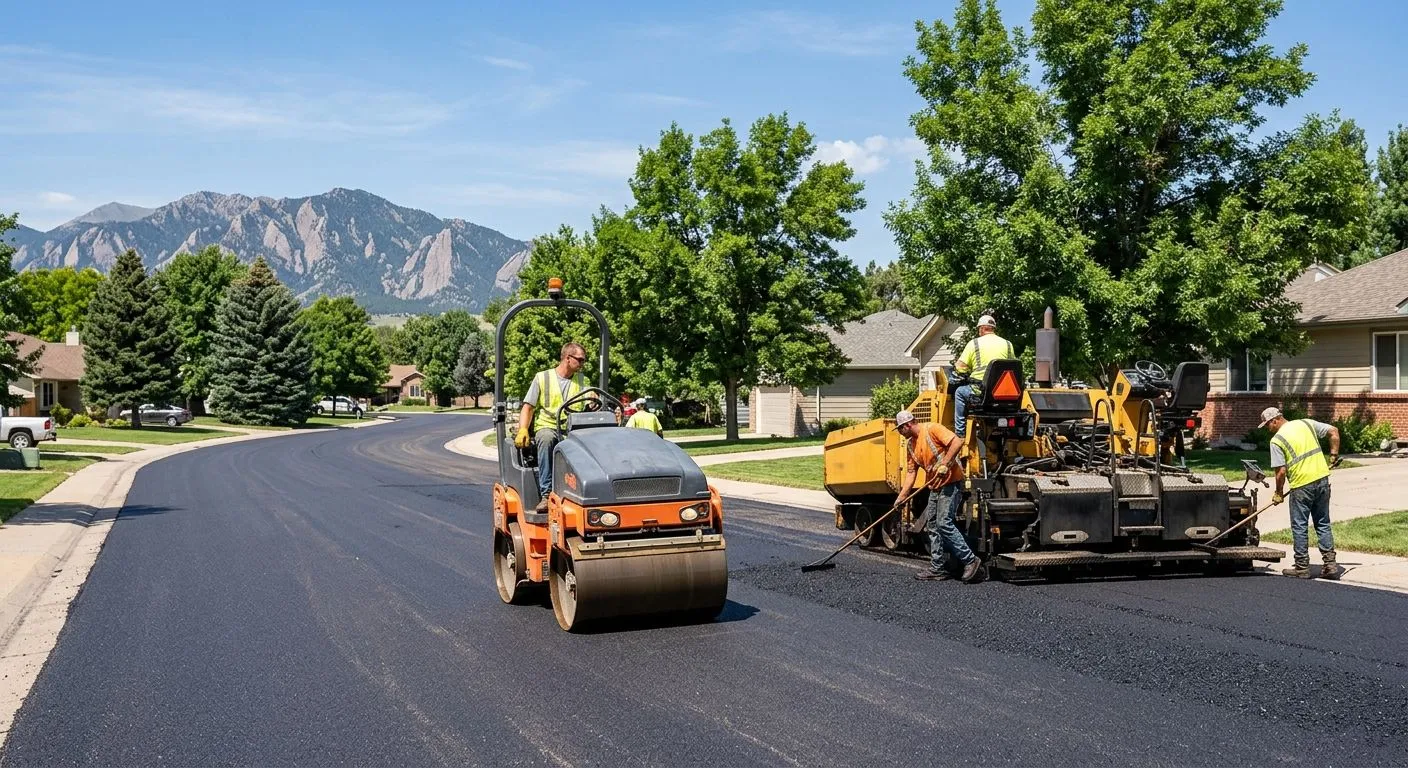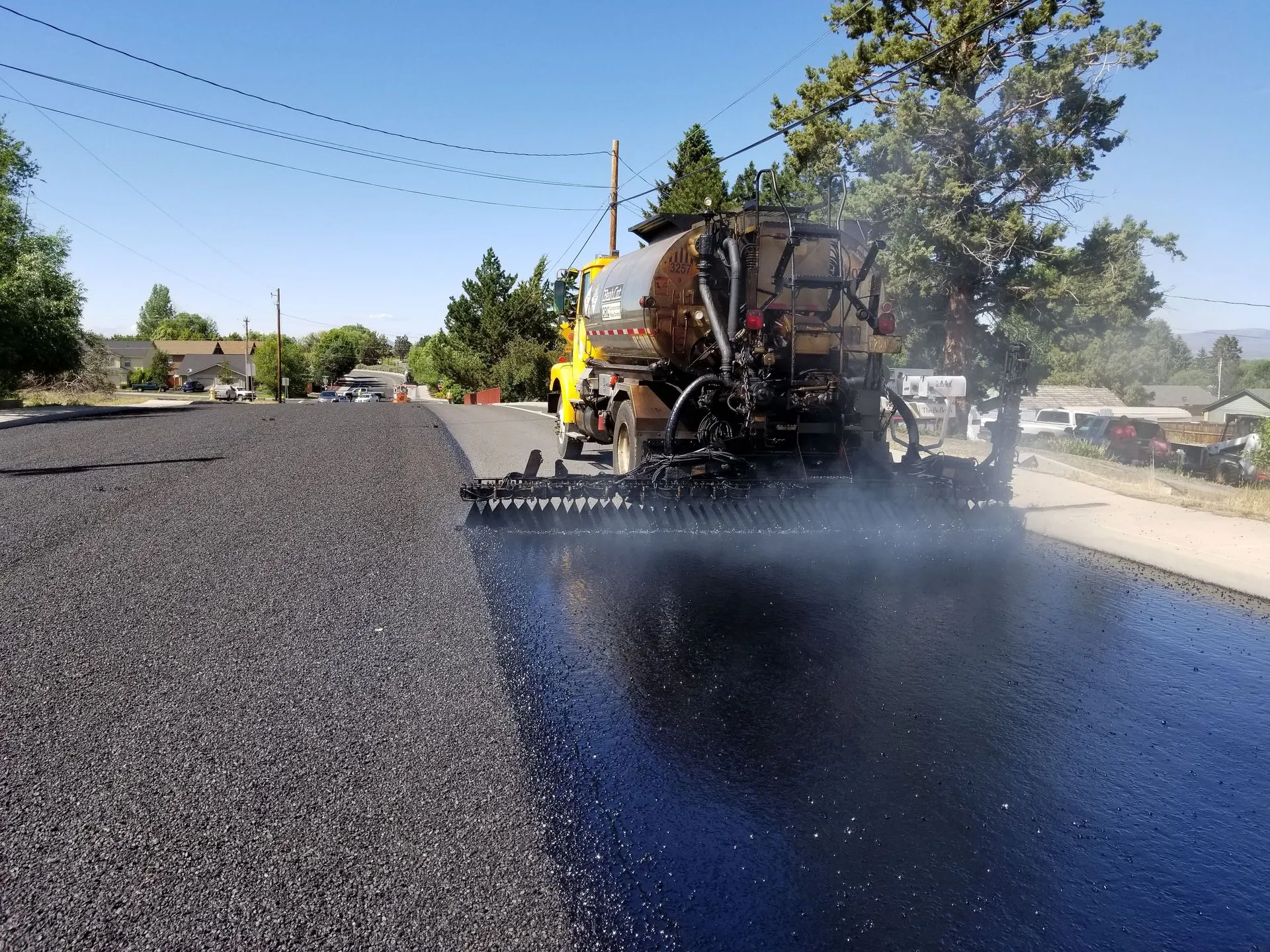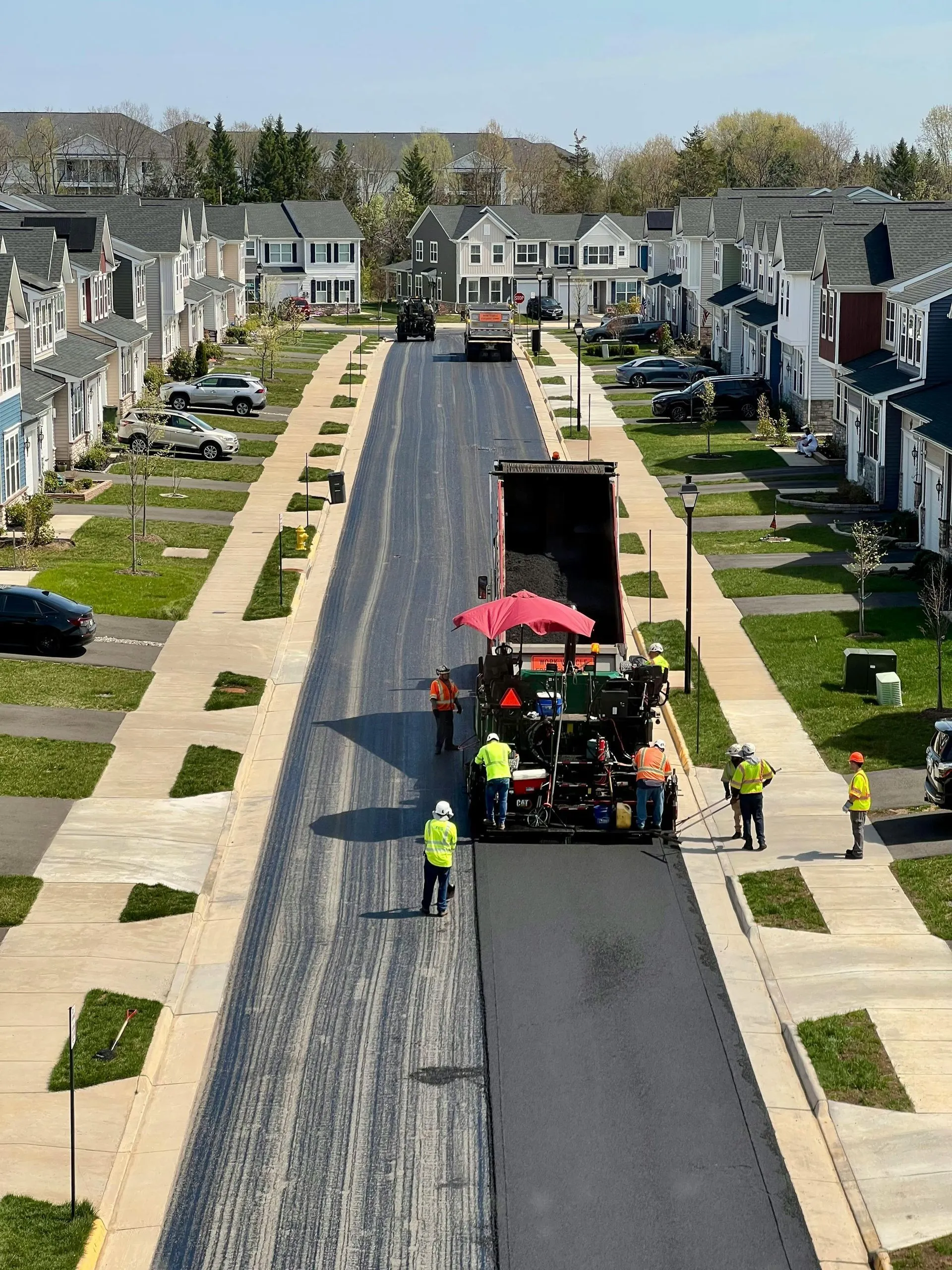
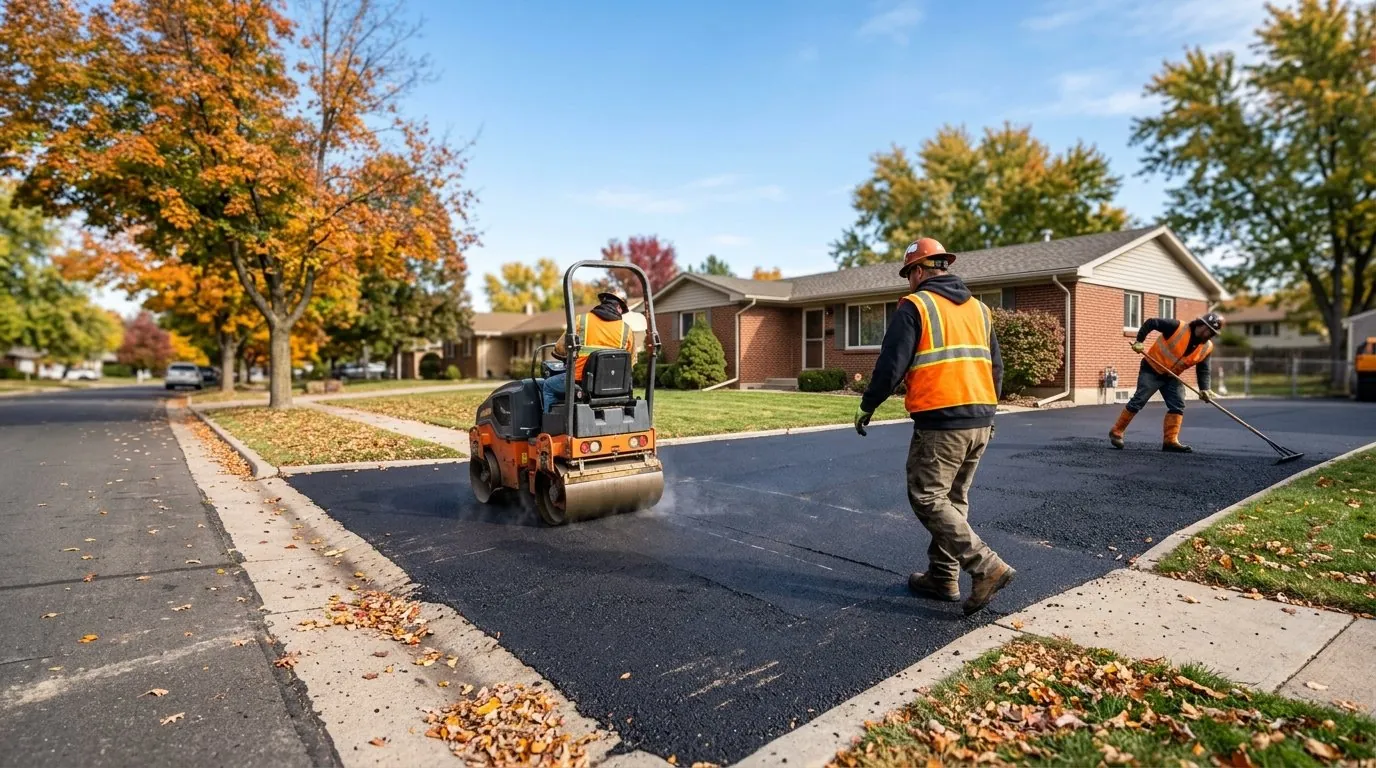
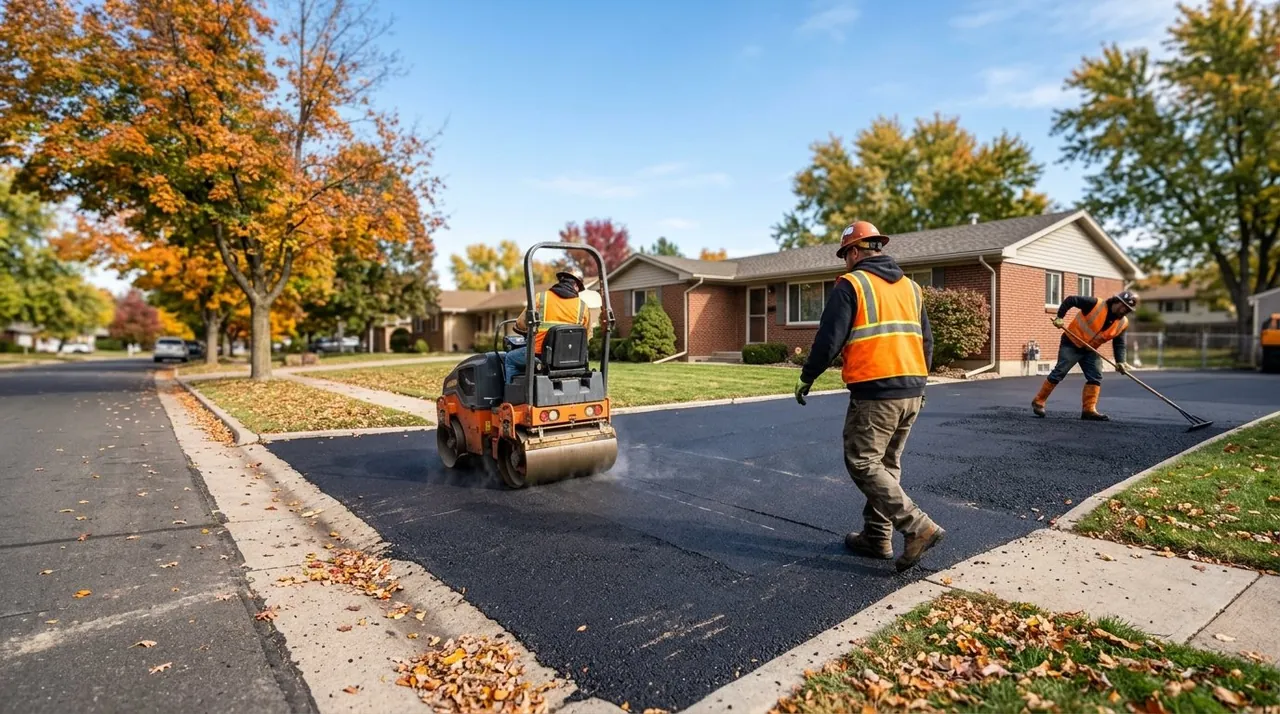
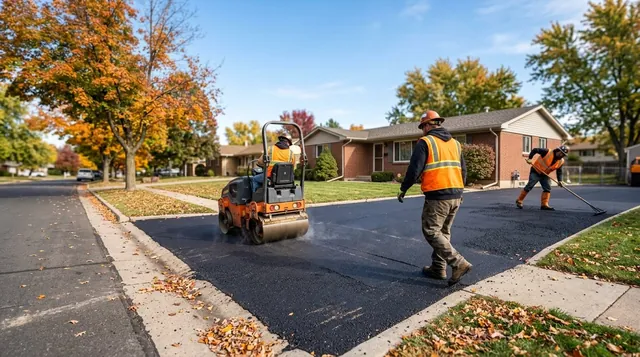
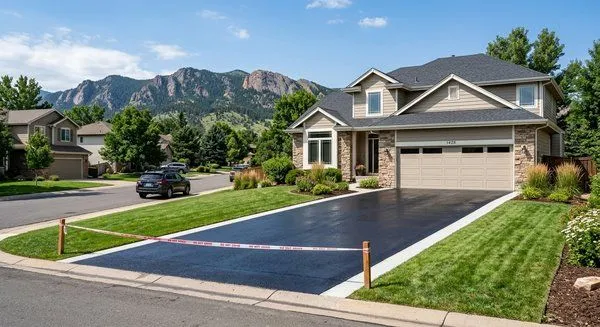
Eco-friendly asphalt paving in Loveland now means something specific: driveways and lots built with Reclaimed Asphalt Pavement (RAP) and Warm-Mix Asphalt (WMA). These methods recycle old road material into new mixes while lowering the energy needed to lay them. For property owners, that translates into a tougher surface and a price that isn't entirely at the mercy of the oil market.
Loveland asphalt has a hard job. Between intense high-altitude UV exposure and sudden Chinook freeze-thaw swings, pavement here ages faster than it would at sea level. Choosing the right materials from the start matters just as much as ongoing maintenance.


What Makes Eco-Friendly Asphalt Paving in Loveland Work
RAP works by milling the worn top layer off an old driveway, parking lot, or road, then reprocessing that material into fresh asphalt. Almost nothing goes to a landfill. Warm-Mix Asphalt takes it a step further. It uses bio-based binders and additives, letting crews produce and lay asphalt at lower temperatures than traditional hot-mix.
The result is a mix that performs like conventional asphalt but requires less energy to manufacture. For commercial developers and homeowners alike, that's a genuine reduction in carbon footprint, not a marketing gimmick.
Why This Matters More in 2026 Than Ever
Global oil market swings, diesel price shifts, and refinery cycle changes have made liquid asphalt binder pricing genuinely unpredictable this year. Because virgin asphalt binder comes straight from crude oil refining, any volatility upstream hits paving quotes almost immediately.
Recycled content changes that equation. A mix built with RAP relies less heavily on virgin binder, which helps buffer property owners from the sharpest price spikes. For anyone planning a driveway replacement or a commercial lot overhaul, that stability is worth asking about directly during your estimate.
The Local Climate Advantage
Loveland's combination of intense sun and rapid temperature swings punishes asphalt in specific ways. UV radiation oxidizes the liquid binder over time, drying it out until it turns brittle and gray. Meanwhile, Chinook winds can swing temperatures more than 40 degrees in a single day, and that kind of whiplash drives serious freeze-thaw damage.
Here's how that damage typically unfolds:
- Snowmelt seeps into hairline cracks during the day.
- Overnight temperatures plunge below freezing.
- Trapped water expands as it turns to ice.
- Tiny fissures widen into potholes or spread into alligator cracking.
- Left unaddressed, this cycle repeats and accelerates each season.
A well-built asphalt surface, whether it uses recycled content or not, still needs consistent care to survive this cycle long term. But starting with a quality mix and proper installation gives the pavement a stronger foundation to resist that stress in the first place.
Timing Your Paving Project Right
As the region moves into cooler autumn weather, it's worth thinking ahead about the next construction window rather than rushing a project into marginal conditions. Asphalt installation, much like sealcoating, performs best with warmer, more stable temperatures that allow proper compaction and curing. Cold snaps and early snow can compromise a fresh installation before it has a chance to set correctly.
That's why fall is an ideal time to schedule an estimate. Lock in project planning now, even if the actual paving work waits until conditions cooperate. Getting ahead of the schedule also means avoiding the price creep that tends to hit procrastinators once demand for the next warm season heats up.
Neglected, unmaintained asphalt in Colorado's climate may only last 12 to 15 years. A driveway or lot built thoughtfully tells a different story. With regular crack sealing and sealcoating every couple of years, that lifespan can more than double, reaching 25 years or beyond.
What to Ask For When You Request an Estimate
Not every paving contractor uses recycled materials by default, so it helps to ask specific questions upfront.
Consider bringing these points to your consultation:
- Does the mix include Reclaimed Asphalt Pavement, and at what percentage?
- Will Warm-Mix Asphalt be used for this specific project?
- How does the crew handle base preparation before laying new material?
- What's the expected timeline given current weather conditions?
- How does material sourcing affect overall project cost?
Customers of Harris Asphalt Paving consistently mention how much prep work the crew puts in before any asphalt goes down. That prep work directly affects how flat, smooth, and long-lasting the final surface turns out to be. That kind of attention to the base layer matters just as much as the mix itself.
Residential and Commercial Applications
Recycled asphalt options work well across both residential driveways and larger commercial lots. Homeowners get a durable surface without an inflated price tag tied to virgin material costs. Commercial property managers often need to justify sustainability choices to stakeholders. A mix built with RAP and WMA checks that box, while still delivering commercial-grade durability.
Either way, the conversation starts with a solid eco-friendly asphalt paving in Loveland plan built around your property's specific traffic, drainage, and budget needs.
Frequently Asked Questions
Does recycled asphalt perform as well as traditional asphalt?
Yes. When properly engineered, mixes containing Reclaimed Asphalt Pavement meet the same durability standards as traditional hot-mix asphalt, while reducing reliance on virgin binder.
Is Warm-Mix Asphalt weaker because it's produced at lower temperatures?
No. Warm-Mix Asphalt uses specific additives or bio-based binders that allow proper compaction and curing at reduced temperatures without sacrificing strength or longevity.
Will choosing recycled materials save me money right now?
It can help stabilize pricing against the current volatility in liquid asphalt binder costs, since less virgin material is required. Exact savings depend on the project scope and current material availability.
Is fall a good time to schedule a paving estimate in Loveland?
Yes. Scheduling now allows time to plan the project properly and lock in materials before demand increases once warmer, more favorable paving conditions return.
Can I request recycled materials for a residential driveway, or is this only for commercial jobs?
Both residential driveways and commercial lots can be built using RAP and Warm-Mix Asphalt. The exact mix depends on project specifications and material availability at the time of the job.
Ready to talk through your options for a durable, sustainably built driveway or lot? Reach out to request a paving estimate and start planning your project the right way.