

Why Summer Is the Best Time for Asphalt Maintenance in Loveland, CO
Summer Is Your Asphalt's Best Friend: Why Loveland Property Owners Should Act Now
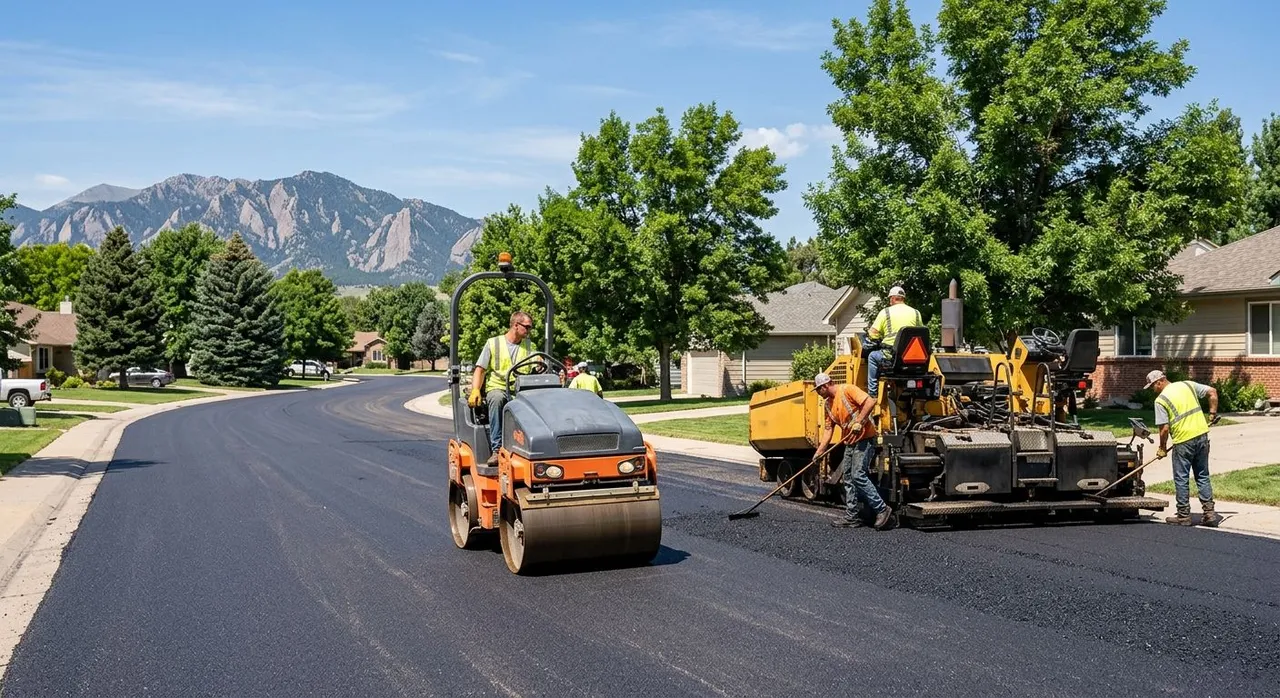
If you own a driveway or commercial parking lot in Northern Colorado, summer is not just a season for outdoor adventures. It is your single most important window to protect one of your largest property investments. The hot, dry months between June and September create the ideal conditions for asphalt maintenance, and missing this window could mean facing expensive repairs or a full replacement before you know it.
Here is what every Loveland property owner needs to understand about why summer maintenance matters, what the local climate is doing to your pavement, and how to make the smartest financial decision for the long haul.

What Colorado's Climate Does to Your Asphalt Year-Round
The Front Range is one of the most demanding environments for asphalt pavement in the entire country. Loveland and the surrounding Northern Colorado region experience over 150 freeze-thaw cycles every year. That statistic alone should get your attention.
Here is how the damage unfolds: During the winter and early spring, moisture from snowmelt and rain seeps into tiny surface cracks. When temperatures drop below freezing, that water expands by approximately 9%. Multiply that pressure across dozens of cycles per season, and what started as a hairline crack becomes severe alligator cracking or a full pothole almost overnight.
Loveland's elevation adds another layer of stress. High-altitude UV radiation accelerates the oxidation of asphalt, stripping out its natural oils and leaving the surface brittle and more vulnerable to cracking. By the time spring arrives, your pavement has often been through a war, and it shows.
Why Summer Is the Right Time to Fight Back
The heat and dry conditions of a Loveland summer are not just pleasant for hiking and cycling. They are chemically and structurally ideal for asphalt repairs.
Asphalt binders, crack sealants, and sealcoating products all require consistently warm surface temperatures to cure and bond properly. When you apply these materials during the peak summer window, they penetrate deeper, adhere more firmly, and hold up far longer against the traffic and cold weather cycles to come.
Think of it this way: patching a pothole in February is like putting a bandage on a wound in the rain. The conditions work against the repair from the very start. Doing it in July gives the material the best possible chance to perform as designed.
The Real Cost of Waiting: What Local Numbers Tell Us
The financial case for summer maintenance is just as compelling as the technical one.
In Colorado, a full asphalt replacement typically costs between $3.00 and $10.00 per square foot, depending on the size, grading requirements, and base preparation needed. For an average-sized commercial parking lot or long residential driveway, that adds up to a serious investment.
Compare that to the alternatives. Professional patching averages around $2.25 per square foot. Asphalt sealcoating services Loveland CO can cost as little as $0.34 per square foot. When you invest in routine sealcoating every two to four years and crack sealing every three to five years, you can realistically extend your asphalt's lifespan to 20 years or more, saving thousands of dollars compared to premature replacement.
That math is not complicated. Preventative maintenance during the summer window is, dollar for dollar, one of the smartest investments a Loveland property owner can make.
Modern Asphalt Solutions Built for Colorado
Today's asphalt maintenance is not what it was a decade ago. Contractors across the Front Range are increasingly using performance-engineered materials specifically designed to handle Colorado's extreme temperature swings. These high-performance mixes stay flexible during frigid winters and resist softening under the intense summer sun.
There is also a growing push toward sustainable paving through the use of Reclaimed Asphalt Pavement (RAP). Modern mixes often incorporate recycled material, which reduces waste and can actually improve durability while keeping overall project costs more manageable for property owners.
When you work with a qualified local contractor, you are not just getting a coat of black material. You are getting a tailored maintenance strategy built around your specific pavement conditions, traffic load, and the Northern Colorado climate.
Your Summer Maintenance Checklist
Before the summer window closes, here is what Loveland property owners should consider scheduling:
- Crack sealing: Seal any visible cracks before next winter's freeze-thaw cycles widen them further.
- Patching: Address any soft spots, potholes, or areas with alligator cracking to restore surface integrity.
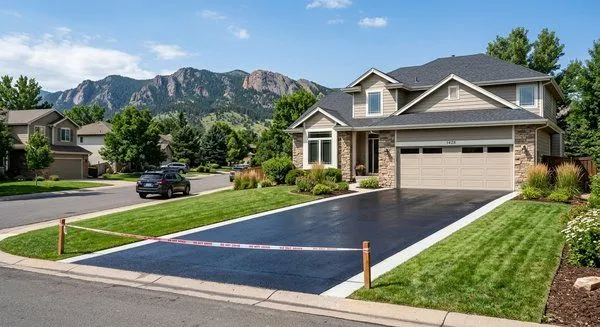
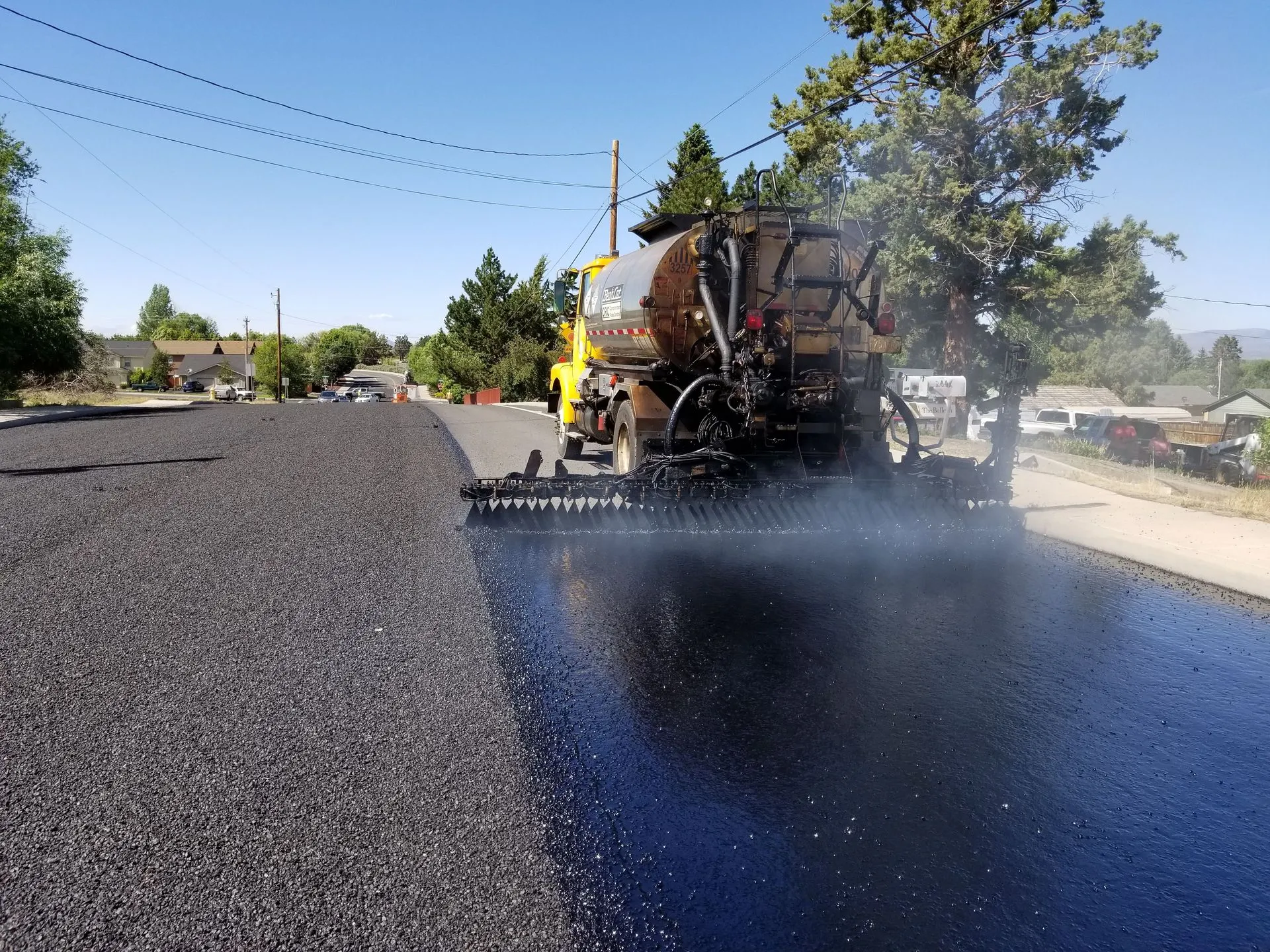
- Sealcoating: Apply a fresh protective layer to block UV damage, repel moisture, and restore flexibility.
- Edge repairs: Check for crumbling or eroded edges, which are common entry points for water infiltration.
Harris Asphalt Paving Loveland CO offers professional assessments to help you identify which services your pavement needs most before winter returns.
Frequently Asked Questions
How often should I sealcoat my asphalt driveway in Loveland?
Most pavement experts recommend sealcoating every two to four years in Colorado's climate. The high number of freeze-thaw cycles and UV exposure in Loveland means your asphalt oxidizes and dries out faster than in milder regions. Keeping up with this schedule is one of the most cost-effective ways to extend pavement life.
Can asphalt be repaired in cold weather in Northern Colorado?
Minor temporary repairs can be made in cooler temperatures, but lasting results require consistently warm conditions. Summer is ideal because both the pavement surface and air temperatures are high enough for sealants and patching materials to cure and bond correctly. Cold-weather repairs often fail prematurely and end up costing more in the long run.
How do I know if my asphalt needs patching or a full replacement?
If cracks are isolated and the base layer beneath the asphalt is still structurally sound, patching and sealcoating are usually sufficient. If you are seeing widespread alligator cracking, significant sinking, or drainage problems across large areas, it may indicate base failure that requires full removal and repaving. A professional evaluation is the best way to know for certain.
What is Reclaimed Asphalt Pavement, and does it hold up in Colorado?
Reclaimed Asphalt Pavement (RAP) is recycled asphalt material incorporated into new mixes. Modern RAP-blended mixes are engineered to meet or exceed the performance of virgin asphalt, and they are increasingly used across the Front Range. They are a cost-effective and environmentally responsible option that performs well in Colorado's demanding climate.
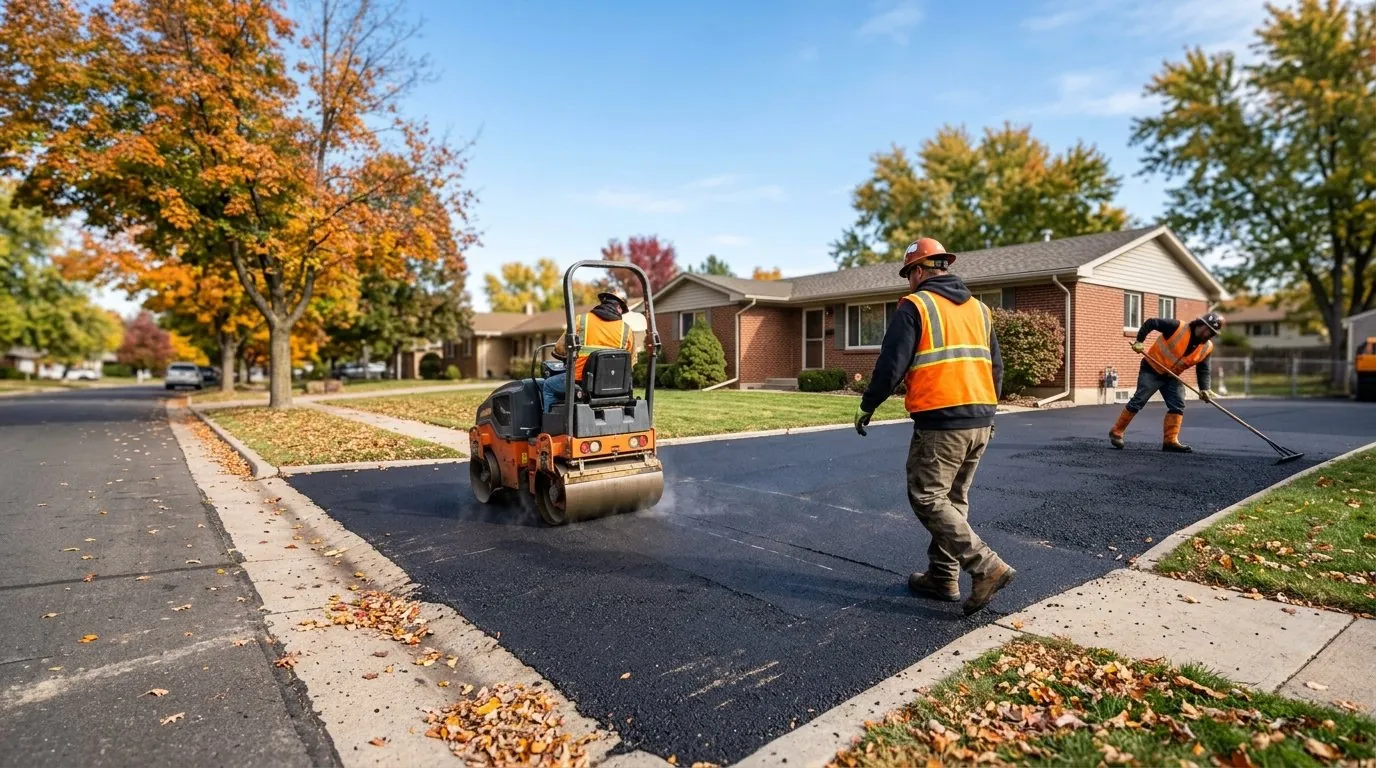
Do not let another Northern Colorado winter catch your pavement unprepared. Schedule your summer maintenance now and protect your investment for years to come.